Loading
A replatform that did not interrupt the workshop
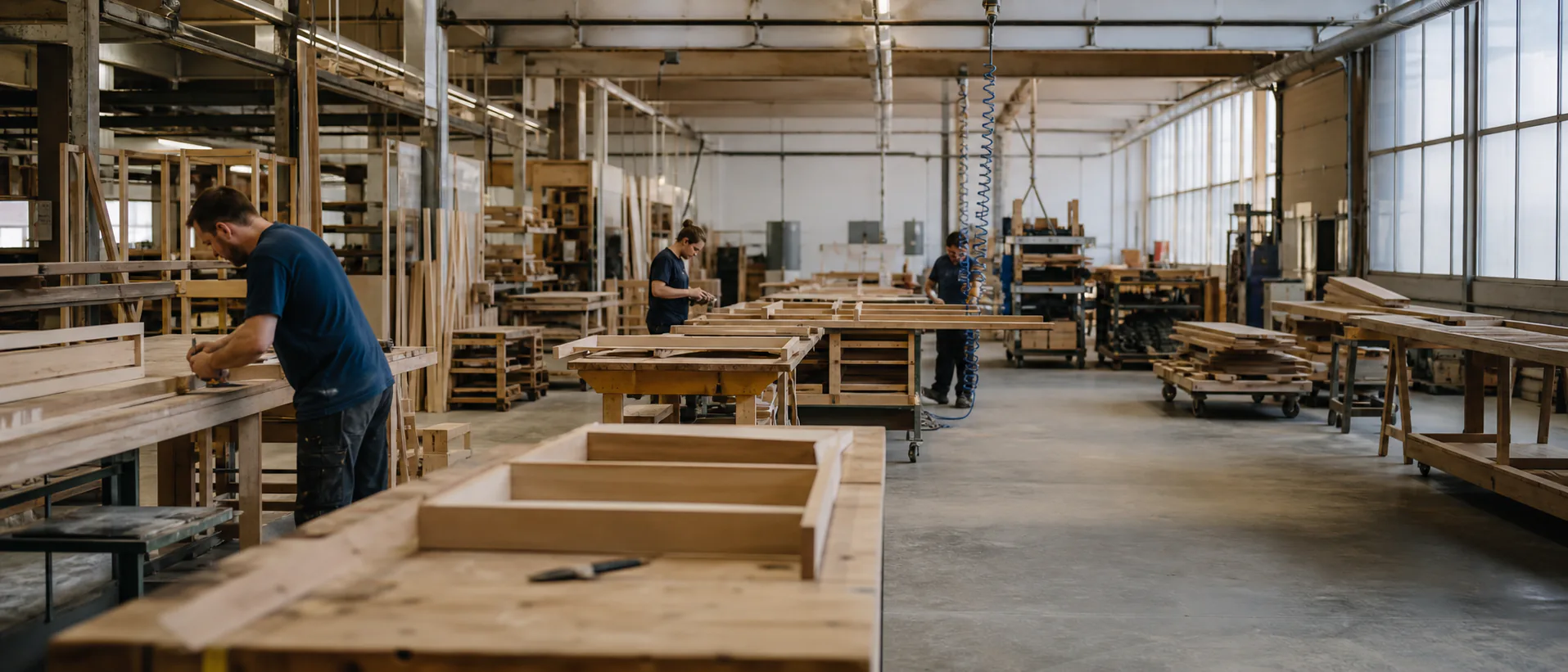
A furniture maker selling configurable pieces through a platform that could not describe them, moved onto one that could — without pausing trade.
- Client
- Ashcombe & Fell
- Industry
- Manufacturing and retail
- Location
- West Yorkshire, United Kingdom
- Year
- 2024
Services
Our role. Content modelling, platform engineering, migration and design system delivery.
01The problem
Ashcombe & Fell has made furniture in the same workshop since 1974. It sells around sixty pieces, most of which can be specified in several timbers, finishes and dimensions, and roughly half of which are made to order with a lead time measured in months.
Its commerce platform could describe a product with a size and a colour. Everything else — the timber, the finish, the lead time, the fact that a piece is made by hand and the grain will differ — lived in free-text description fields maintained by one person.
Customers were phoning to ask questions the site should have answered, and the workshop was quoting by email for configurations the site could not represent.
02What we did
- 01
Model the product properly
We spent the first phase with the workshop rather than the marketing team, modelling how a piece is actually specified: what varies, what is constrained by what, and which combinations are not made.
- 02
Design the configuration, not the catalogue
The interface was designed around specifying a piece, with lead time and price responding as choices are made, and the constraints explained where they bite rather than hidden.
- 03
Build a system, not a set of pages
A small component system was delivered alongside the platform so the in-house team could compose new campaign and editorial pages without commissioning design work each time.
- 04
Cut over in sections
Editorial and collection pages moved first, then the catalogue, then checkout — each with redirect mapping and a rollback path we had rehearsed.
03What we built
A structured product model that describes a piece the way the workshop does, including the combinations that cannot be made and why.
A configuration journey that shows price and lead time as they change, with photography and material detail attached to the choices rather than to the product as a whole.
A component system the in-house team uses to build campaign and editorial pages without a development ticket.
04Outcome
- The workshop quotes far fewer configurations by email, because the site can now represent them.
- Search visibility held through the migration; the redirect mapping was rehearsed against the live crawl rather than assembled at cutover.
- The marketing team has published thirty-odd editorial pages since launch without involving us, which was the point.
“They understood in the first week that the timber is not a colour swatch. Everyone else we spoke to wanted to make it one, because that is what their platform supported.”
More work
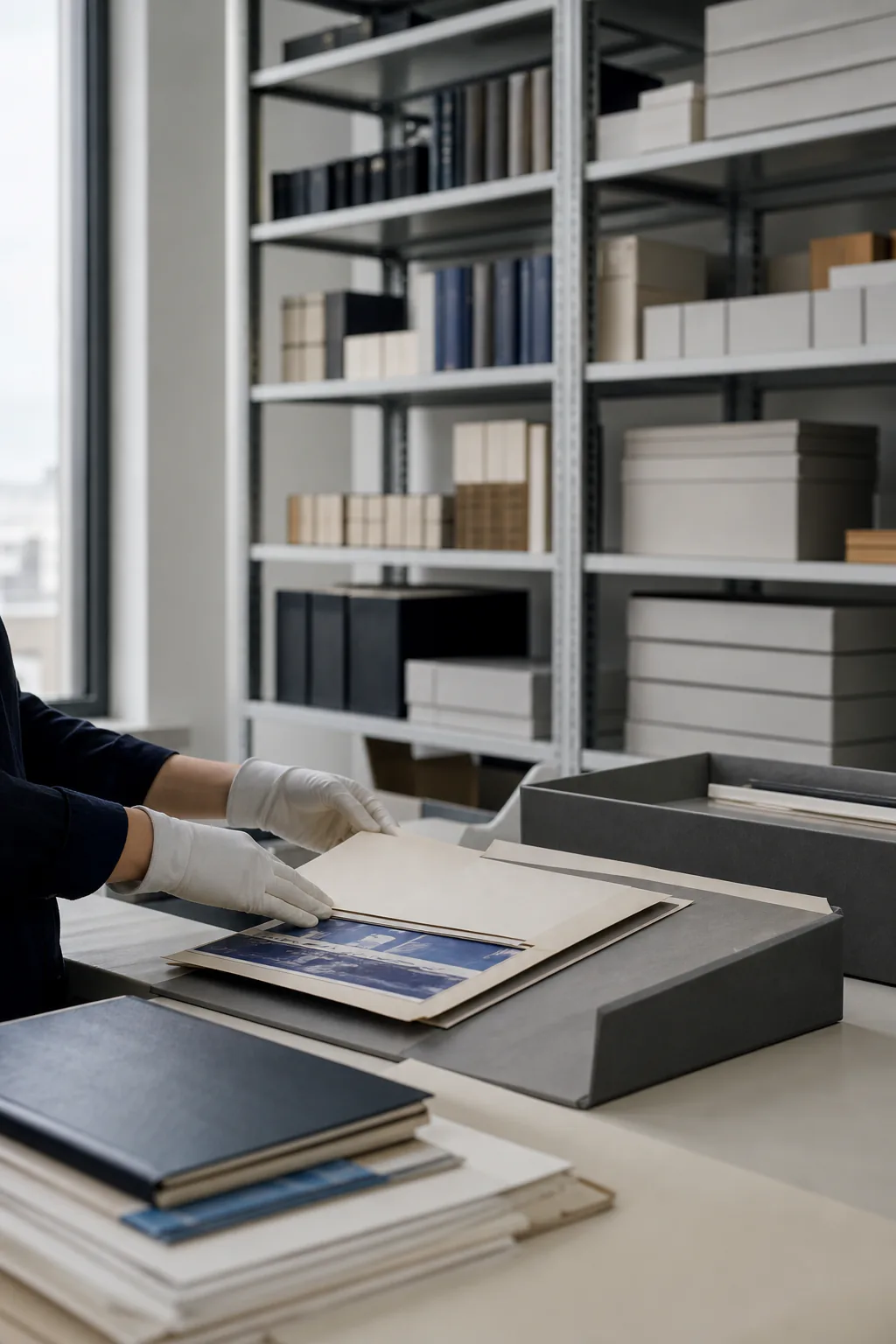
The Calder Institute
Publishing research that can still be read in twenty years
A research institute with sixty years of output spread across four incompatible systems, consolidated onto one durable publishing platform.
Read the case study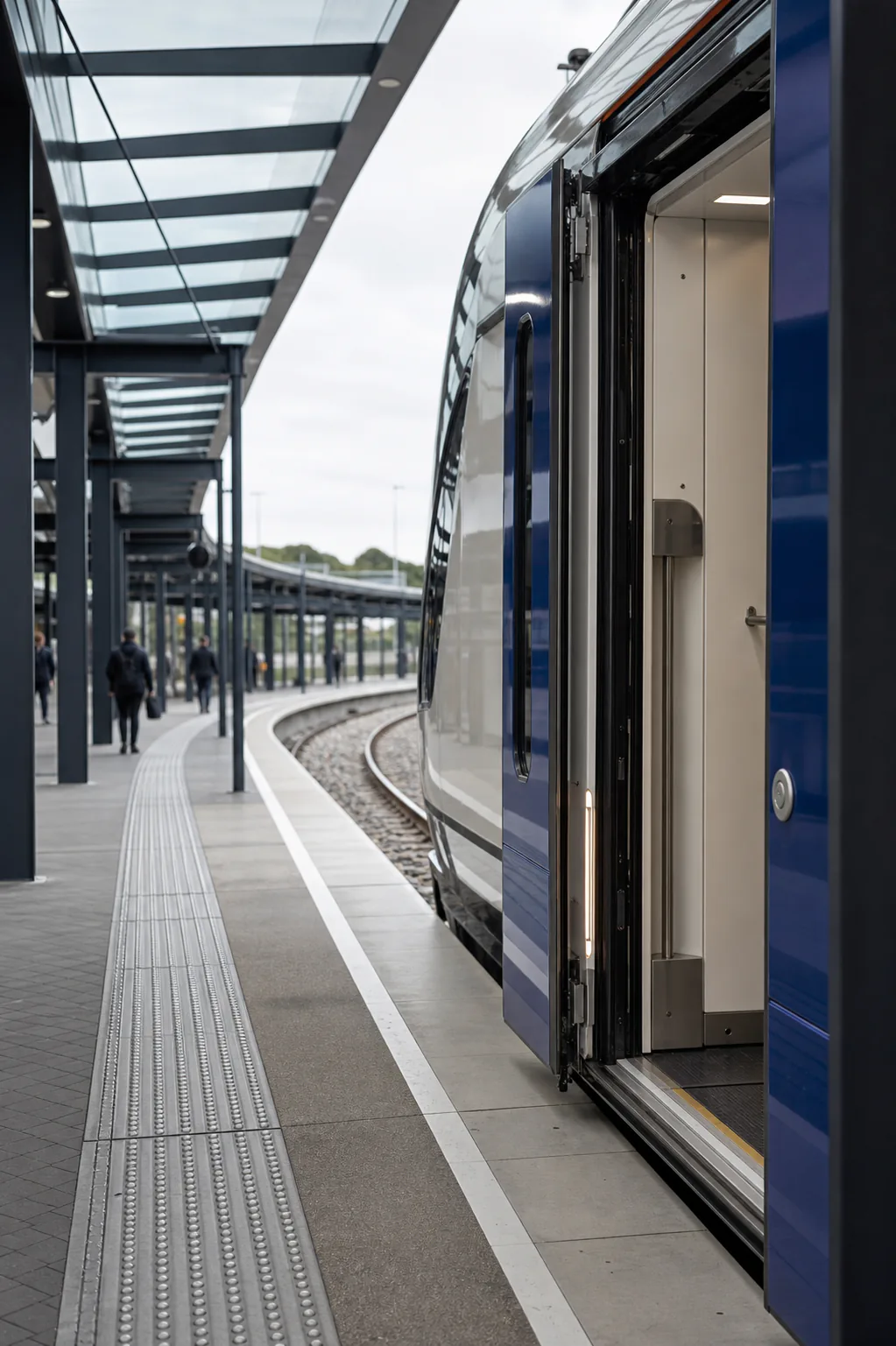
Meridian Rail
One design system across nine customer products
A passenger operator whose nine digital products had drifted into nine different interfaces, brought back into one system with accessibility as the organising constraint.
Read the case studyNext step
Tell us what is not working. We will tell you what we think.
A first conversation is an hour, costs nothing, and usually ends with a straight answer about whether we are the right studio for the problem.