Loading
Web Platforms
A website that a marketing team cannot change without raising a ticket is not finished. It has been handed over unfinished and given a launch party.
01Why it matters
We build the platforms organisations put their name on: the site that has to rank, load on a poor connection, publish in four languages, and still be editable by someone who joined last week. That is an engineering problem, a content-modelling problem and an editorial problem at once, and it goes badly when it is treated as only one of the three.
Our default position is boring technology, well applied. We use server rendering where it helps, we keep JavaScript proportionate to what the page actually needs, and we treat performance and accessibility as build-time constraints rather than post-launch remediation.
Replatforming is most of this work. We do it incrementally wherever possible — running the new platform alongside the old one, moving sections across as they are ready, and keeping URLs, rankings and editorial workflows intact through the transition.
02What we do
The work inside the engagement.
- 01
Content modelling
Structuring content so it can be reused, translated and reorganised later, instead of being embedded in page layouts that decay.
- 02
Platform engineering
Server-rendered applications, sensible caching, and an editorial interface the people who publish can be trained on in an afternoon.
- 03
Migration
Incremental cutover with redirect mapping, search-visibility monitoring and a rollback path that has actually been tested.
- 04
Performance and search
Core Web Vitals budgets set at the start and enforced in the build, alongside structured data and an information architecture that reflects how people search.
03A typical engagement
A delivery team of three to six, working in two-week increments with your content and marketing teams involved from the first one, not from user-acceptance testing.
- Typical duration
- Three to nine months
- What you receive
- A production platform, deployed and documented
- A content model and editorial interface your team owns
- A tested migration and redirect strategy
- Performance, accessibility and search budgets enforced in CI
04Proof
All workWhere this work has been done.
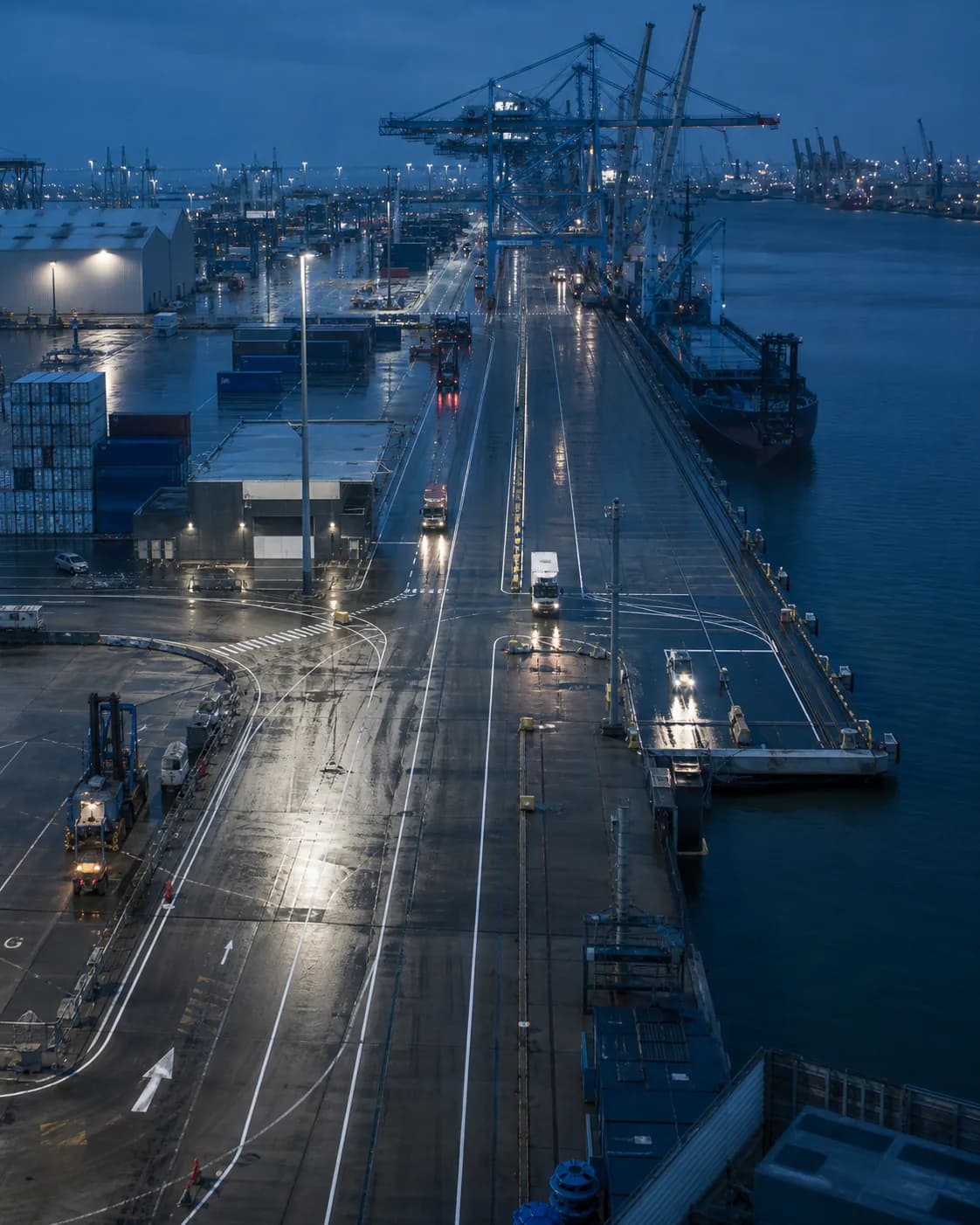
Halden Maritime
Replacing forty spreadsheets with one operations platform
A port services operator running its entire scheduling function on shared spreadsheets, rebuilt as a single system its planners actually wanted to use.
Read the case study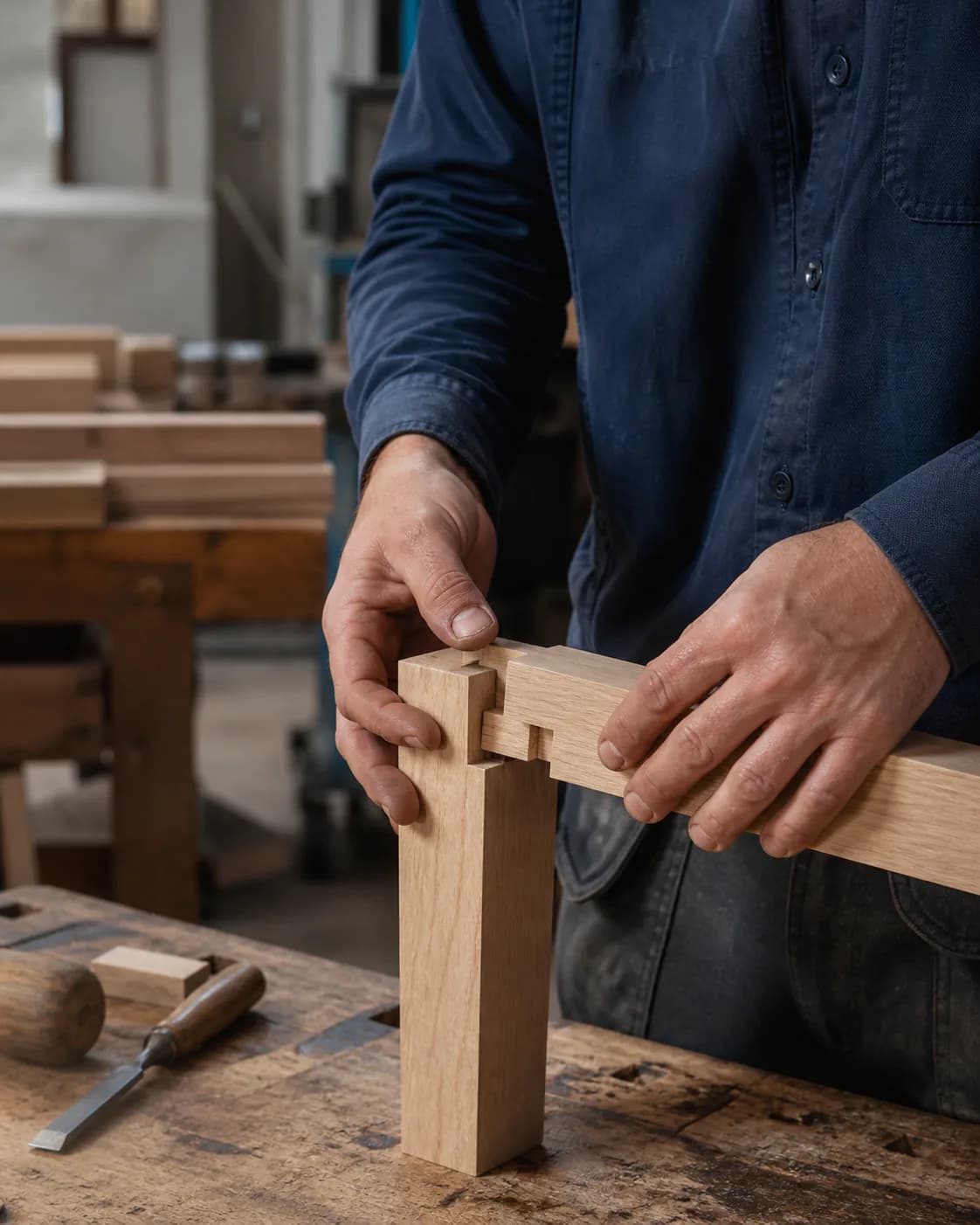
Ashcombe & Fell
A replatform that did not interrupt the workshop
A furniture maker selling configurable pieces through a platform that could not describe them, moved onto one that could — without pausing trade.
Read the case studyNext step
Tell us what is not working. We will tell you what we think.
A first conversation is an hour, costs nothing, and usually ends with a straight answer about whether we are the right studio for the problem.