Loading
One design system across nine customer products
A passenger operator whose nine digital products had drifted into nine different interfaces, brought back into one system with accessibility as the organising constraint.
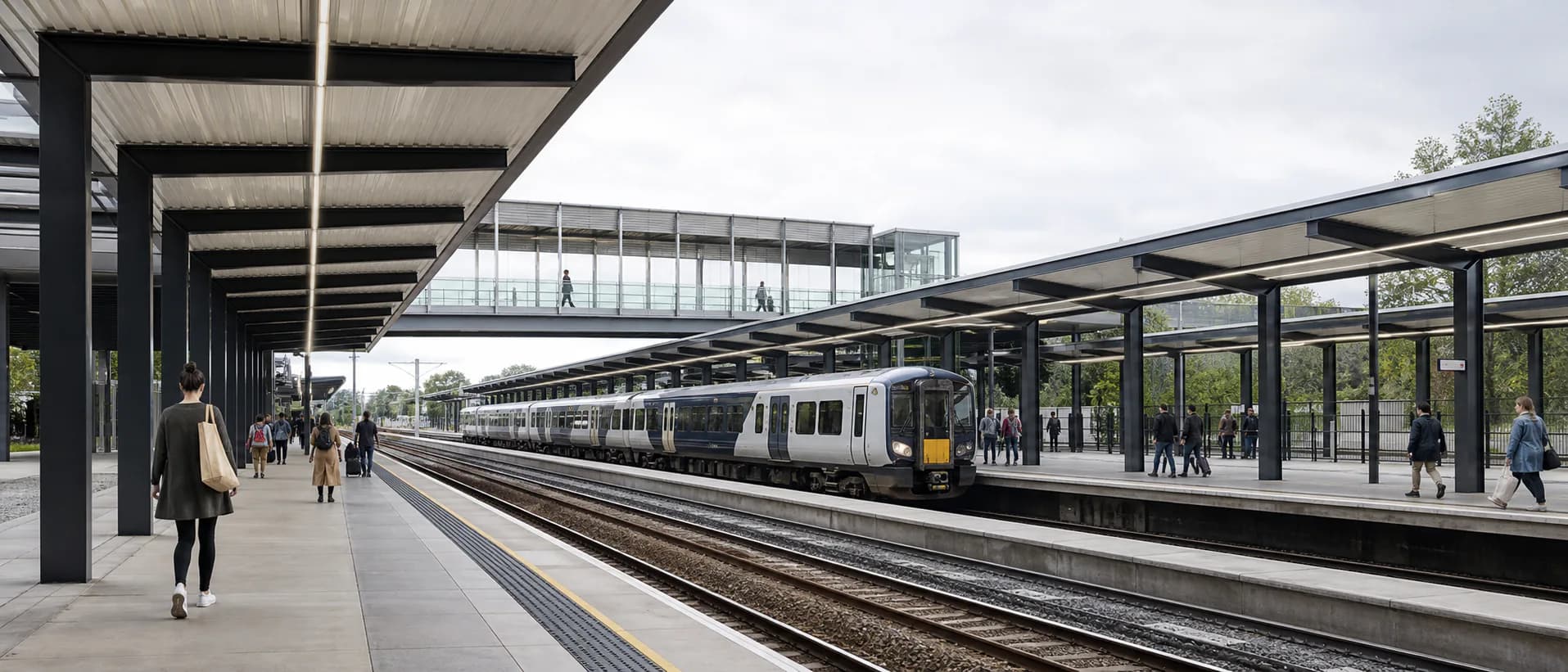
- Client
- Meridian Rail
- Industry
- Passenger rail
- Location
- Birmingham, United Kingdom
- Year
- 2023
Services
Our role. Interface audit, design system delivery, accessibility programme and adoption support.
01The problem
Meridian Rail operates nine customer-facing products: ticket purchase, seat reservation, live departures, disruption information, delay compensation, an assisted travel booking service, two staff-facing tools and a mobile application.
They had been built by five suppliers over eight years. There were fourteen distinct button styles, four date pickers, and three unrelated ways of communicating that a service was cancelled — the one message a passenger most needs to understand immediately.
Accessibility compliance was assessed product by product, which meant the same defect was found, fixed and reintroduced repeatedly.
02What we did
- 01
Audit everything before proposing anything
A complete inventory of components, patterns and accessibility findings across all nine products. It was uncomfortable reading, and it made the case for the programme better than any proposal could have.
- 02
Start with disruption
We built the system outwards from the disruption and cancellation patterns rather than from buttons, because that is where inconsistency was doing the most harm to passengers.
- 03
Make accessibility structural
Focus management, announcement behaviour, contrast and reduced-motion handling were built into the components and covered by automated tests, so a product team cannot accidentally opt out.
- 04
Support the first three adoptions
We embedded with the first three product teams through their adoption, and changed the system a great deal as a result. Systems that skip this step tend not to be adopted.
03What we built
A versioned component package covering the patterns all nine products share, with accessibility behaviour built in and tested rather than documented as a recommendation.
A single, consistently worded and consistently presented pattern for disruption and cancellation across every product and channel.
A contribution and governance model owned by Meridian’s own design and engineering leads, with a published release cadence.
04Outcome
- Passengers encounter one interface language across the estate, most importantly when something has gone wrong with their journey.
- Accessibility defects are fixed once in the system rather than nine times in nine products.
- Meridian’s teams now contribute to the system more often than we do, which is the outcome the programme was set up to reach.
- Products in scope
- 9
- Button variants consolidated
- 14 to 3
- Conformance target
- WCAG 2.2 AA
“The audit was the hardest document to read and the most useful thing they gave us. It ended an argument we had been having internally for three years in about forty pages.”
More work
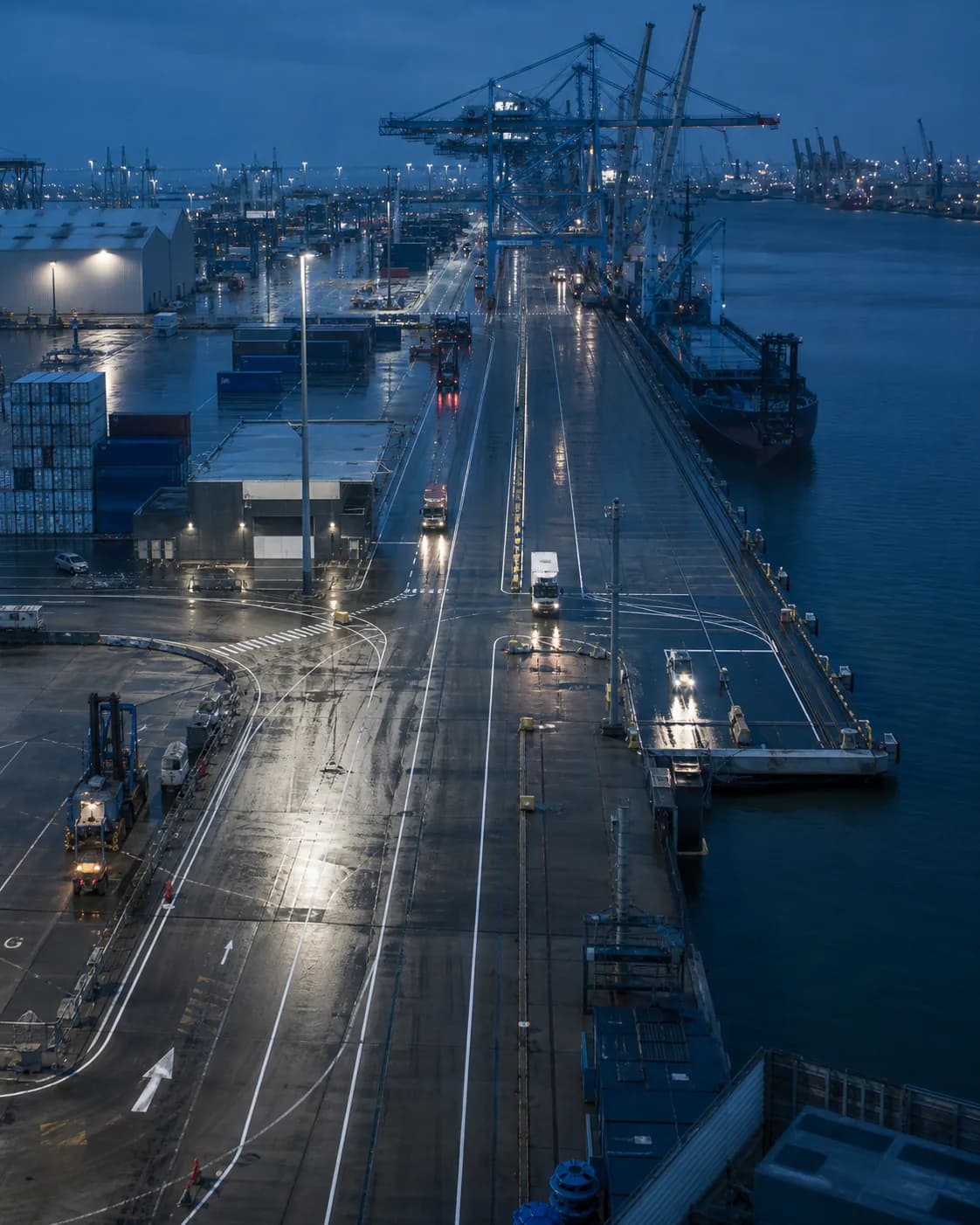
Halden Maritime
Replacing forty spreadsheets with one operations platform
A port services operator running its entire scheduling function on shared spreadsheets, rebuilt as a single system its planners actually wanted to use.
Read the case study
Brightmoor Trust
A grant application that does not punish small organisations
A funder whose application process was quietly selecting for applicants with professional bid writers, redesigned around the organisations it was meant to reach.
Read the case studyNext step
Tell us what is not working. We will tell you what we think.
A first conversation is an hour, costs nothing, and usually ends with a straight answer about whether we are the right studio for the problem.